Roofing Services in Cape Coral, FL
Local Roofing Expertise
In Cape Coral, FL, roofing contractor and siding contractor services handle the unique demands of coastal Southwest Florida. Salt air, extreme heat, lightning, and hurricane winds make professional roof and exterior protection critical. This guide covers residential and commercial roofing solutions, what to expect during repairs and replacements, and why local expertise matters in this challenging climate.
How Roofing Works in Cape Coral
From initial inspection through final approval, here's what a roof project looks like in this area.
The Five-Phase Process
Inspection & Assessment
We walk your roof, check for leaks, damage, and wear. Photos and notes document everything. This step is especially important in areas like Four Mile Cove where salt exposure accelerates deterioration.
Material Selection
Choose asphalt shingles, metal, tile, or flat roof systems. Each handles Florida's UV rays, humidity, and high winds differently. We explain trade-offs so you pick the right fit.
Permitting & Planning
Cape Coral has strict building codes. We handle permit applications and coordinate inspections. This protects you legally and ensures work meets local standards.
Installation & Build
We tear off old material, install underlayment, and set new roofing with hurricane-grade fasteners. Quality control checks happen throughout the work.
Final Inspection & Cleanup
City or county officials inspect for code compliance. We remove debris and walk you through the new roof. You receive documentation for insurance and warranty records.
You'll always know what's happening next—and when.
Roofing Services We Offer
From repairs to full replacements, we handle all roofing needs for homes and businesses across Cape Coral neighborhoods.
Residential Roofing
Most Cape Coral homes use asphalt shingles or tile. We repair missing shingles, replace worn underlayment, and fix flashing around vents. For waterfront properties near Yacht Club Beach, we focus on salt-resistant materials and reinforced fasteners to handle coastal wind.
- Shingle roof repairs and full replacements
- Tile roof resecuring and broken tile replacement
- Metal roof installation for energy efficiency
- Flat roof systems for lanais and additions
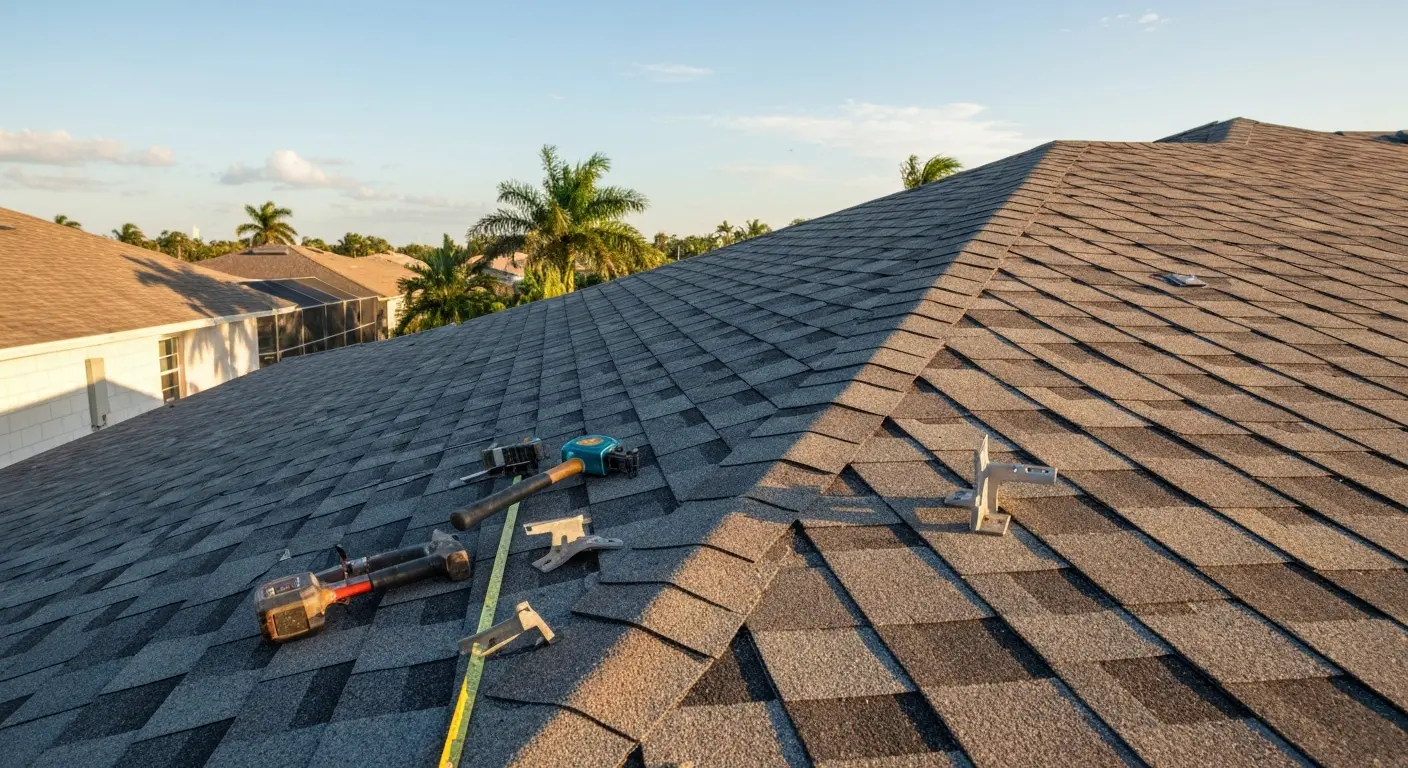
Shingle roof replacement protecting homes across Four Freedoms Park neighborhoods
Commercial Roofing
Businesses need roofs built for durability and minimal downtime. We install flat roofing systems, metal structures, and TPO membranes that handle intense UV exposure and high winds. Regular maintenance keeps your roof protecting your investment.
- Flat roof systems and single-ply membranes
- Commercial metal roofing installations
- Leak detection and localized repairs
- Preventive maintenance programs
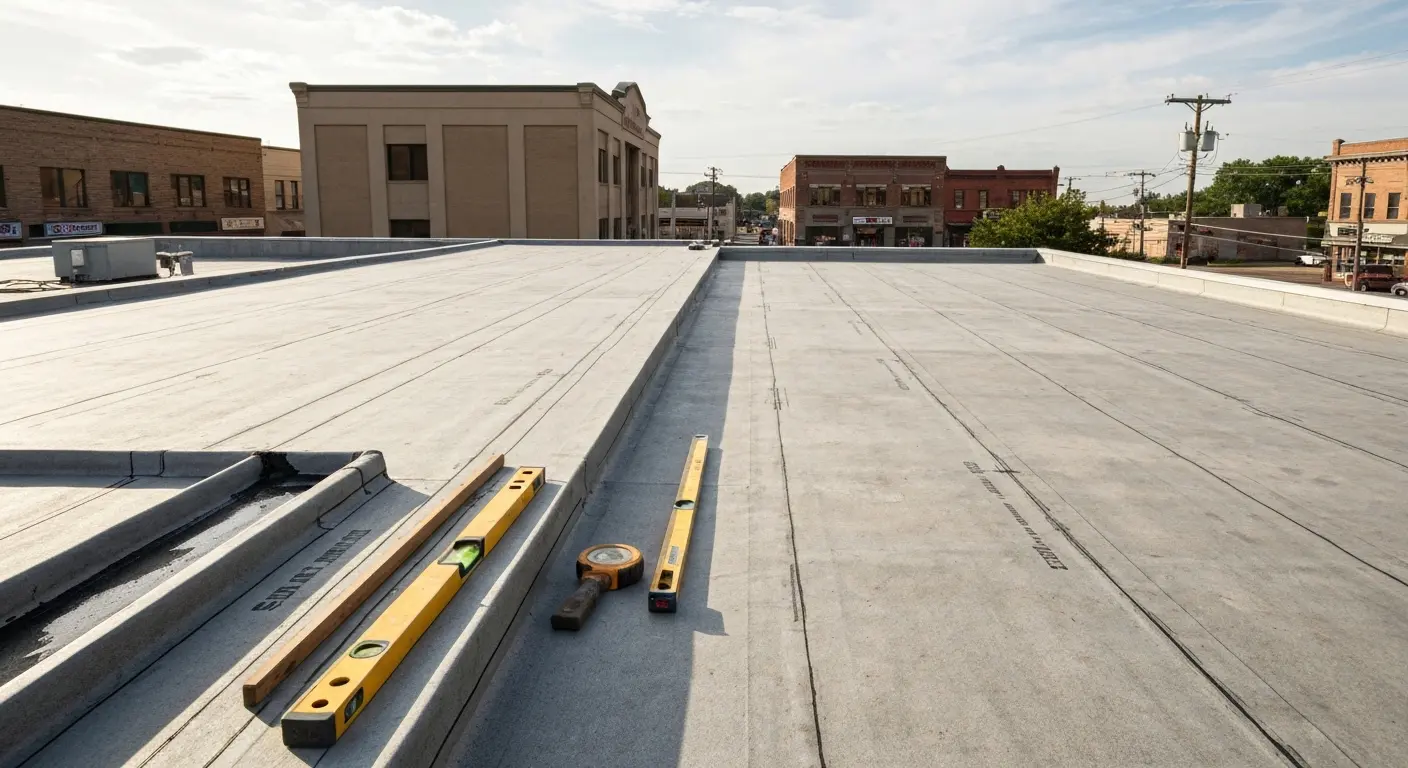
Flat roof system protecting retail and office spaces near Rotary Park
Storm Damage Repairs
Hurricane season and lightning strikes are facts of life in Cape Coral. Missing shingles, dented flashing, and water intrusion happen fast. We offer rapid-response repairs and help you navigate insurance claims for covered damage.
- Wind damage assessment and tarping
- Insurance claim documentation
- Hail and lightning strike repairs
- Emergency temporary roof protection
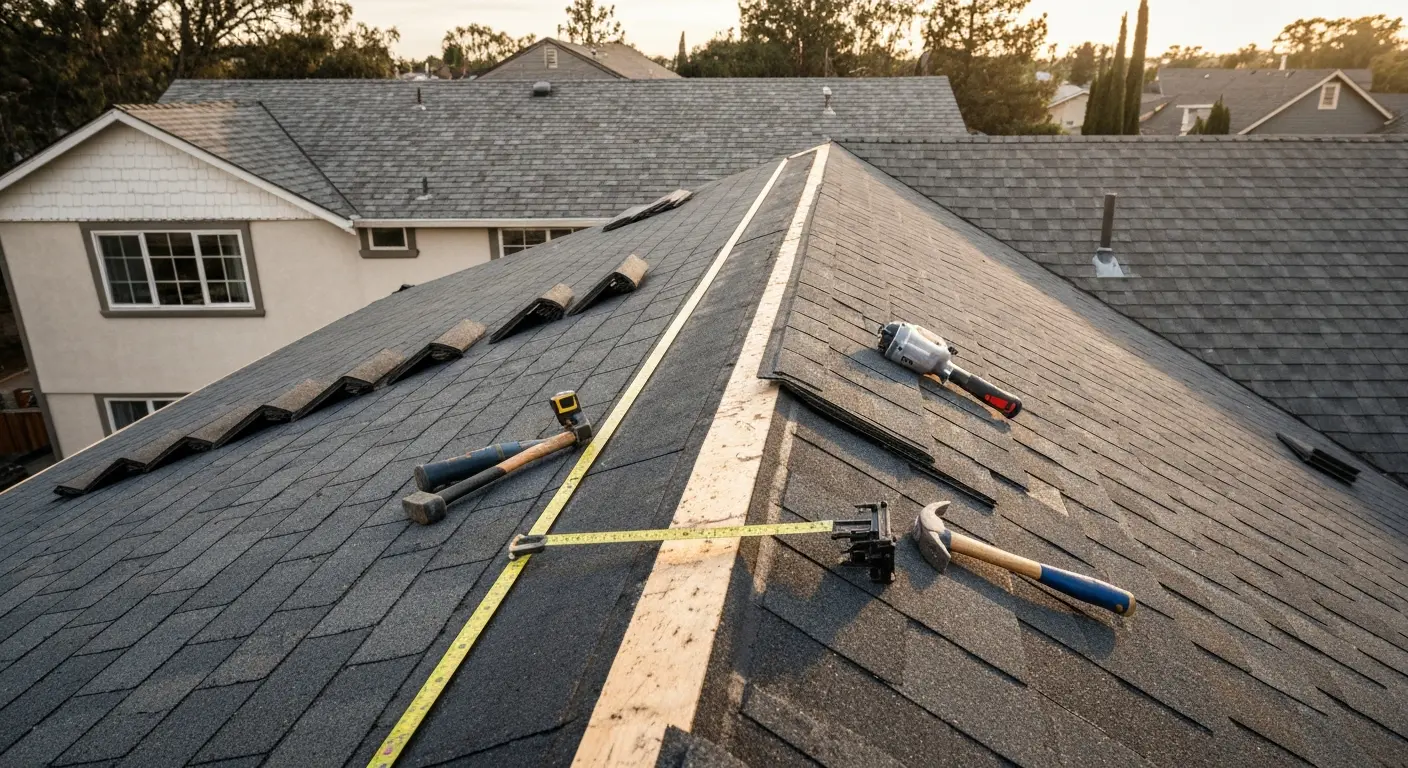
Emergency wind damage repair following seasonal storms
Roof Inspections & Maintenance
Small issues become big problems fast in Florida's climate. Annual inspections catch leaks, granule loss, and deterioration before they damage your home or business. We document roof condition for insurance and resale purposes.
- Pre-sale roof inspections for buyers
- Annual preventive maintenance checks
- Leak source identification and repair
- Flashing and seal maintenance
Why Cape Coral Roofing Is Different
Understanding local conditions shapes better roofing choices and longer-lasting protection.
Salt Air & Coastal Exposure
Living near the Gulf of Mexico means roofs face salt-laden air that corrodes metal flashing and accelerates tile aging. Metal roofs and sealed systems resist this better than older asphalt. We choose materials rated for coastal environments.
Lightning Strikes Lead the Nation
Cape Coral gets more lightning strikes than anywhere in the US. Direct hits damage shingles and flashing instantly. Lightning rods and proper grounding reduce risk, but proper roof fastening and quality materials are your best defense.
Hurricane-Grade Wind Resistance
Roofs must withstand UV radiation, salt-rich air, heavy winds, and potential hurricane conditions. Metal roofing offers superior hurricane resistance, with wind ratings up to 160 mph. We install systems with enhanced fasteners and underlayment rated for high-velocity hurricane zones.
Heat & Humidity Durability
Year-round heat and humidity cause mold growth, granule loss, and cracking. Reflective coatings reduce cooling costs and protect shingles longer. Proper ventilation keeps your attic cool and dry.
Roof Material Options for Cape Coral
Each material handles Florida's climate differently. Here's what works best for your situation.
Asphalt Shingles
Most affordable. Lasts 15–20 years. Needs high-wind ratings (130+ mph) and enhanced nailing for Florida. Good entry point for repairs.
Metal Roofing
Highly durable, 30–50 years. Best wind and salt resistance. Higher upfront cost but longest value. Growing in popularity.
Tile Roofing
25–50 years. Fire-resistant, looks great. Heavy—needs roof reinforcement. Expensive but prestigious appearance.
Flat Roof Systems
TPO, EPDM, or PVC membranes. Ideal for lanais and commercial buildings. Requires routine maintenance to avoid ponding water and leaks.
Common Roof Problems in Cape Coral
Knowing what to watch for saves money and prevents water damage to your home or business.
Leaks & Water Stains
Water stains on ceilings or walls signal a leak. Leaks spread to attic framing and insulation quickly. Heavy rains and storms often expose weak flashing or missing shingles. Professional leak detection finds the source—water can travel far from entry point.
Missing or Curled Shingles
Wind causes shingle uplift from sustained high winds, complete blow-off of roofing materials, broken tiles from wind and debris impacts. Curling shingles expose the underlayment. Granule loss in gutters is another warning sign of aging.
Flashing & Vent Damage
Metal flashing around chimneys, vents, and skylights gets bent or loosened by wind and salt air. Damaged flashing creates gaps where water sneaks in. Resecuring or replacing flashing stops leaks before they damage interior spaces.
Mold & Algae Growth
High humidity and standing water create algae streaks and mold. North-facing shaded areas are most vulnerable. Regular roof cleaning and improved drainage prevent growth that can shorten roof life.
Debris Impact & Punctures
Tree branches, palm fronds, and hail create dents and punctures. Flat roofs and metal systems are especially vulnerable. Tree trimming prevents future impact damage.
What About Siding?
Your home's exterior deserves protection. Siding contractor services complement roofing work.
While roofing handles weather from above, siding contractor services protect walls and manage wind-driven rain. Salt air corrodes traditional vinyl. Fiber cement and composite siding resist coastal conditions better. Water-resistant house wraps and proper flashing keep moisture out during storms. If your roof and siding show age together—faded colors, cracks, loose panels—a combined exterior refresh adds curb appeal and structural protection.
Serving Cape Coral Neighborhoods & Beyond
We work across all of Cape Coral, from waterfront canal homes to inland neighborhoods.
Four Freedoms Park & Downtown
Waterfront properties near downtown need salt-resistant materials and reinforced fasteners for consistent Gulf winds.
Four Mile Cove Area
This coastal section experiences maximum salt exposure and wind. Tile and metal roofs dominate for durability.
Rotary Park & Central Cape Coral
Inland neighborhoods mix residential and commercial. Asphalt shingles and flat roofs are common. Building codes remain strict.
Yacht Club Public Beach District
Vacation and full-time homes. Storm preparedness and insurance requirements drive maintenance schedules.
Frequently Asked Questions
How often should I have my Cape Coral roof inspected?
At least once yearly, and immediately after major storms, hurricanes, or lightning events. Regular inspection catches small issues before they become expensive problems.
What's the difference between roof repair and replacement?
Repair fixes localized damage—missing shingles, flashing leaks. Replacement removes the entire roof and installs new material, chosen when damage is widespread or the roof nears end of life (15–25 years depending on material).
Does my homeowner's insurance cover roof damage from hurricanes or wind?
Most policies cover named storm damage. Review your policy and deductible. If your roof shows age or prior damage, insurers may deny claims. We document roof condition and help with claim photos and assessment reports.
Can I stay in my home during a roof replacement?
Yes, but expect noise and disruption. We schedule work during business hours and protect interior spaces. Families typically remain home without issue. We coordinate work to minimize inconvenience.
What building permits are required for roofing in Cape Coral?
Most roofing replacements require city permits. We handle all permit applications and coordinate final inspections. This protects you legally and ensures code compliance for future resale.
What warranty do you provide on new roofs?
Material warranties vary by product (10–50 years). We also provide a workmanship warranty covering installation quality. We'll explain all coverage details before work begins.
DISCOVER WHAT OUR CUSTOMERS HAVE TO SAY ABOUT US
REVIEWS
proudly serving these areas
Fort Myers, FL
Estero, FL
Cape Coral, FL
Bonita Springs, FL
Naples, FL
Sarasota, FL
Tampa, FL
Lely, FL
READY TO take the next step?
get a free quote TODAY!
COMPANY
(239) 445-4011
QUICK LINKS
our services
service areas
operating HOURS
Mon: 7:00 am - 5:00 pm
Tue: 7:00 am - 5:00 pm
Wed: 7:00 am - 5:00 pm
Thu: 7:00 am - 5:00 pm
Fri: 7:00 am - 5:00 pm
Sat: Closed - Closed
Sun: Closed - Closed